The intriguing journey of casinos From ancient gambling to modern entertainment hubs
The Origins of Gambling in Ancient Civilizations
The concept of gambling dates back thousands of years, with its roots firmly planted in ancient civilizations such as Mesopotamia, China, and Egypt. Archaeological findings reveal that dice made from bones and other materials were used in these early societies to engage in games of chance. Such activities weren’t merely for entertainment; they often had religious or cultural significance, reflecting the community’s beliefs and values. Today, if you’re exploring new options for playing, consider no kyc casinos, which offer privacy and ease for enthusiasts.

In ancient China, for instance, keno-like games were utilized not only for leisure but also to fund government projects. This early adoption of gambling showcased its potential as a means of both entertainment and economic support, setting a precedent for the future evolution of casinos.
The Emergence of Formal Gambling Establishments
As societies progressed, so did the structures surrounding gambling. By the 17th century, the first modern casinos began to emerge in Europe, particularly in Italy and France. The Casino di Venezia, established in 1638, is widely recognized as the world’s first official casino, offering a variety of games including card games and dice games. This establishment not only set the standard for future gambling venues but also introduced a sense of sophistication and exclusivity to the activity.
These early casinos were often adorned with opulent décor, attracting the upper echelons of society. They became social hubs where people gathered not just to gamble but to socialize, further solidifying gambling’s position as a legitimate form of entertainment.
The Growth of Casinos in America
The migration to the Americas in the 19th century brought with it the gambling traditions of Europe. The first American casino opened in New Orleans, reflecting a blend of French and Spanish influences. As the Gold Rush drew people westward, gambling became an integral part of frontier life. Saloons and gaming halls flourished, offering everything from poker to roulette, often with little regulation.
The establishment of Las Vegas in the 20th century marked a significant turning point in the casino industry. With the legalization of gambling in Nevada, Las Vegas transformed into a bustling metropolis of casinos, attracting millions of visitors from around the world and establishing itself as the global capital of gambling.
The Technological Revolution and Online Gambling
The dawn of the internet revolutionized the gambling landscape in the late 20th century. Online casinos emerged, allowing players to enjoy their favorite games from the comfort of their homes. This accessibility led to a boom in the industry, as more individuals sought the thrill of gambling without the need to visit physical establishments. Innovations in technology also introduced new gaming experiences, such as live dealer games, enhancing the authenticity of online gambling.
As online platforms became increasingly popular, various regulatory frameworks were established, ensuring player protection and promoting fair play. This transition not only expanded the market but also attracted a diverse audience, including younger generations who prefer digital interactions over traditional venues.
Modern Casinos and the Future of Gambling
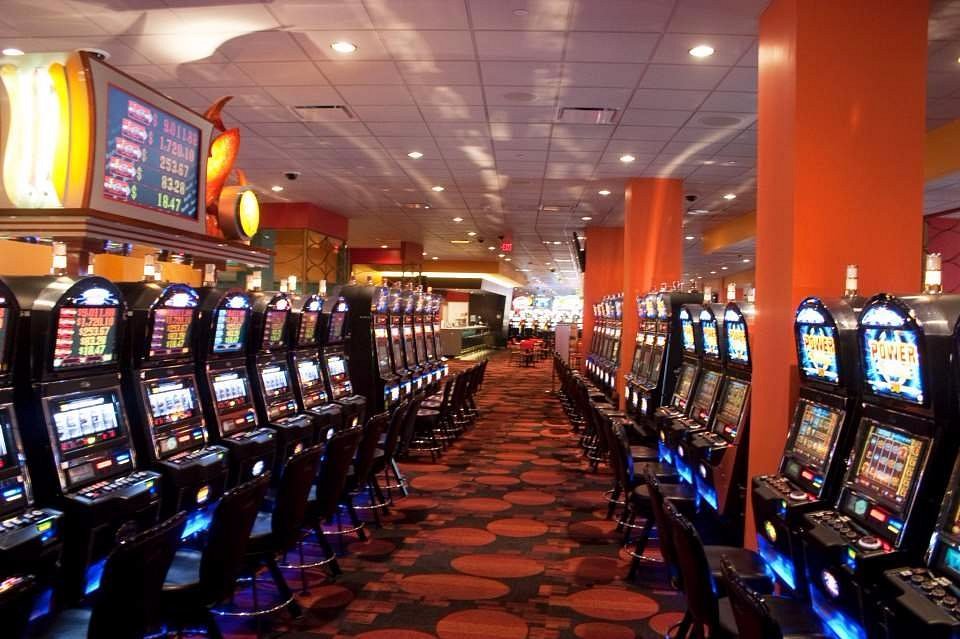
Today, casinos have evolved into sprawling entertainment complexes offering much more than just gambling. They host luxury hotels, fine dining restaurants, shopping centers, and live entertainment, creating a multifaceted experience for visitors. This transformation reflects a shift in consumer expectations, where the focus is not solely on gambling but on a holistic entertainment experience.
Looking forward, the industry is poised for further innovation. Emerging technologies such as virtual reality and artificial intelligence promise to reshape the gaming experience, making it more immersive and personalized. As regulations continue to adapt to new trends, the future of casinos remains bright, ensuring they will remain central to the entertainment landscape.